10 Most Common Migraine Triggers and How to Track Them
Stress, hormones, and weather are top migraine triggers. Learn to identify your personal triggers and reduce attack frequency by 30–50% with a tracking diary.
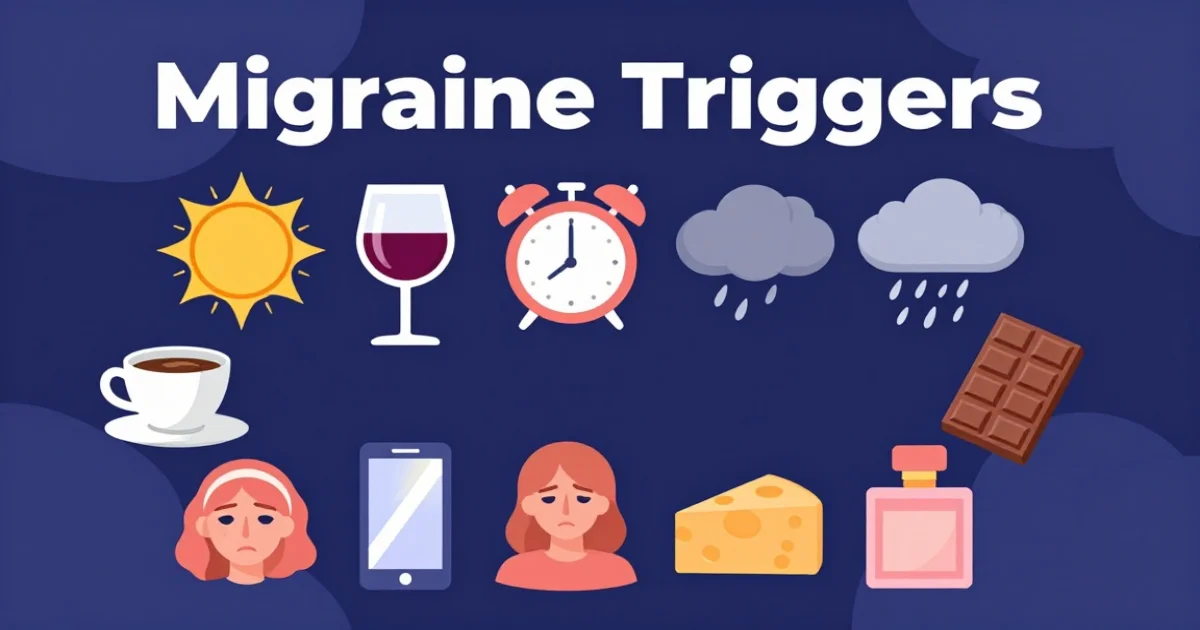
Migraine attacks don't strike randomly. They're often driven by specific factors that, once identified, can be managed or avoided. Understanding your personal triggers is one of the most powerful tools in taking control of your migraine journey. Migraine is a neurological condition characterized by intense, throbbing head pain, often on one side, lasting 4–72 hours, frequently accompanied by nausea and sensitivity to light and sound. A migraine trigger is any stimulus or condition that lowers the attack threshold in a susceptible brain.
What Are Migraine Triggers and How Do They Work?
A migraine trigger is any stimulus or condition that can precipitate an attack in a susceptible person. Triggers don't cause migraines directly. They lower the threshold for an attack in a brain that is already primed for one. According to the American Migraine Foundation, over 75% of people with migraines can identify at least one trigger, but triggers are highly individual and often cumulative. Note that triggers can look different depending on headache type. If you're unsure whether you have migraines or tension headaches, see Migraine vs Tension Headache: How to Tell the Difference.
Think of it like a threshold. Your brain has a certain tolerance for stress, poor sleep, and environmental change. When several triggers combine, that threshold breaks. One bad night of sleep might be fine. One bad night plus a stressful Monday plus skipping lunch? That's often when an attack begins.
Citation capsule: The American Migraine Foundation reports that more than 75% of migraine sufferers can name at least one identifiable trigger, yet triggers are cumulative and highly personal, meaning the same stimulus may cause an attack on a high-stress day but not on a well-rested one (American Migraine Foundation, 2024).
What Are the Top 10 Most Common Migraine Triggers?
Here are the ten triggers most consistently reported in clinical research, ranked by prevalence.
1. Stress
Emotional stress is the single most frequently cited migraine trigger, reported by a large majority of sufferers (American Migraine Foundation). The tension and anxiety that build during stressful periods often manifest physically once you finally relax. Clinicians call this the "let-down" or "weekend migraine" effect, where attacks cluster on Saturdays after a high-stress work week.
Calma users who track stress consistently find that attacks often don't hit during the stressful period itself. They arrive 12–24 hours later, on the weekend or the evening after a deadline passes. Recognizing that delay can help you prepare rather than feel blindsided. For a deeper look at this connection, stress and migraine covers the cortisol and adrenaline mechanisms in detail.
2. Hormonal Changes
For many women, hormonal fluctuations are a primary driver of migraine frequency. Attacks often coincide with the days just before or during menstruation, when estrogen drops sharply. This is sometimes called "menstrual migraine" and affects an estimated 60% of women who experience migraines, according to research summarized by the American Headache Society.
Migraines may also worsen during perimenopause and improve post-menopause. Birth control pills and hormone replacement therapy can either improve or worsen frequency depending on the formulation and dosage. Tracking your cycle alongside your migraine calendar is essential for spotting this pattern.
3. Certain Foods and Drinks
Common dietary triggers include:
- Aged cheeses (tyramine)
- Processed meats (nitrites)
- Alcohol, especially red wine
- Caffeine (both excess and withdrawal)
- Monosodium glutamate (MSG)
- Artificial sweeteners
Food triggers are more variable than often believed. A food that triggers an attack one day may be perfectly fine on another. Context matters enormously: stress levels, sleep quality, and hydration all influence whether a dietary trigger crosses your threshold. Don't eliminate foods wholesale without tracking data to confirm the pattern first. For a deeper look at the biochemical mechanisms behind dietary triggers, see our guide to migraine food triggers.
4. Sleep Disturbances
Both too little and too much sleep reliably trigger migraines. Jet lag, irregular schedules, and even sleeping in on weekends can set off an attack. Research consistently links poor sleep quality to higher migraine frequency and greater disability, with some studies showing that disrupted sleep architecture alone, independent of total hours, elevates attack risk.
The relationship runs both ways: migraines disrupt sleep, and disrupted sleep invites the next migraine. Breaking that cycle often requires addressing sleep as seriously as any other migraine treatment. If you frequently wake up with a headache already underway, morning headaches and what causes them is worth reading.
5. Weather Changes
Barometric pressure drops, particularly the kind that precede storms, are among the most commonly reported environmental triggers. Low atmospheric pressure is associated with increased migraine risk, with some research suggesting that a drop of even 5 millibars can be enough to trigger an attack in sensitive individuals (American Headache Society). Extreme temperatures and high humidity are also implicated.
Weather is one trigger you simply cannot avoid. But you can anticipate it. Knowing that a pressure drop is coming gives you time to stay hydrated, reduce other stressors, and have your acute medication on hand.
Citation capsule: Barometric pressure changes are among the most frequently reported environmental migraine triggers, with research summarized by the American Headache Society indicating that pressure drops of as little as 5 millibars can precipitate attacks in susceptible individuals (American Headache Society, 2023).
6. Dehydration
Even mild dehydration, as little as 1–2% of body weight lost, can trigger migraines in susceptible individuals. The mechanism involves changes in blood viscosity and intracranial pressure. Staying consistently hydrated, especially during exercise or in hot weather, is one of the simplest and most evidence-supported preventive measures available.
Don't wait until you feel thirsty. By that point, you're already mildly dehydrated. Many people find that keeping a water bottle visible throughout the day is enough to prevent this trigger entirely.
7. Strong Sensory Input
Bright or flickering lights, loud noises, and strong smells (perfume, chemicals, cigarette smoke) are common precipitants. This sensory sensitivity likely reflects cortical hyperexcitability, a well-documented feature of the migraine brain identified in neuroimaging studies. The migraine brain processes sensory input differently, even between attacks.
Fluorescent office lighting and screen glare are two of the most commonly logged sensory triggers among people who track systematically. If you work in a bright environment, blue-light glasses and adjustable screen settings can reduce cumulative sensory load across the day.
8. Physical Exertion
Intense physical activity, and occasionally sexual activity, can trigger what clinicians call "exertional migraine." The mechanism involves rapid changes in blood flow and intracranial pressure during peak exertion. This doesn't mean you should avoid exercise. Regular moderate exercise is actually protective against migraines over time.
Warming up gradually and staying hydrated significantly reduces the risk. If you notice migraines following intense workouts, talk to your healthcare provider. There are well-established acute treatment protocols for exertional migraine specifically.
9. Medications
Certain medications can trigger migraines as a side effect, including some blood pressure drugs and oral contraceptives. More critically, overuse of acute headache medications, taking them on 10 or more days per month, leads to medication overuse headache (MOH). This is a condition where the treatment itself perpetuates the cycle. The International Headache Society provides detailed diagnostic criteria for MOH.
MOH is underdiagnosed and often overlooked. If your attacks have been getting more frequent over months, and you've been using pain relief frequently, raise this possibility with your doctor.
10. Skipping Meals
Low blood glucose from skipped meals or prolonged fasting is a well-documented trigger. Maintaining stable glucose levels through regular, balanced meals, and not going more than 4–5 hours without eating, is a standard behavioral recommendation from most headache specialists. The mechanism is straightforward: hypoglycemia triggers physiological stress responses that lower the migraine threshold.
This is one of the most controllable triggers. Small, consistent meals and keeping a snack available are simple adjustments that many people find genuinely effective.
How Do You Identify Your Personal Triggers?
Identifying your personal triggers requires systematic observation over time. A migraine diary is the most evidence-backed method. Research shows consistent tracking can reduce attack frequency by 30–50%. Record the following after each attack:
- Date and time of onset and resolution
- Severity (0–10 scale) and symptoms (aura, nausea, light sensitivity)
- Potential triggers present in the 24–48 hours before onset (food, sleep, stress, weather)
- Menstrual cycle day (for women)
- Medications taken and their effectiveness
Most people need 6–8 weeks of consistent tracking to identify reliable patterns. The key word is consistent. Sporadic logging rarely surfaces the patterns that matter.
In tracking data from Calma users, the most commonly identified triggers are stress (logged first by 58% of users who complete 8 weeks of tracking), sleep disruption (41%), and weather changes (34%). Food triggers, while frequently suspected at the start, are confirmed as primary triggers for fewer than 20% of users who complete a full tracking cycle. That doesn't mean diet doesn't matter. It means context and cumulative load often matter more.
How Does Calma Help With Migraine Trigger Tracking?
Calma makes trigger tracking effortless with its intelligent logging system. Log migraines as they happen and the app surfaces patterns across your data automatically, including weather correlations you'd never spot manually.
Key Features
- Quick logging with customizable symptoms
- Automatic pattern detection across multiple data points
- Weather correlation to identify atmospheric triggers
- Food diary integration for dietary analysis
- Comprehensive reports to share with your healthcare provider
When Should You See a Doctor About Your Migraine Triggers?
Trigger avoidance is helpful but not a substitute for professional medical care. Consult a healthcare provider if:
- Your migraine pattern changes significantly
- Over-the-counter medications no longer provide relief
- You have more than 15 headache days per month
- You're taking acute pain medications more than 10 days per month (MOH risk)
- You experience new neurological symptoms
Migraines that come with nausea severe enough to interfere with daily function deserve specific attention too. See why migraines cause nausea and what helps for more on managing that particular symptom.
How Do You Start Tracking Your Migraine Triggers?
Understanding your migraine triggers gives you real leverage. Not just knowledge, but a practical path to fewer attacks and more predictable days. The research is consistent: people who track diligently reduce their attack frequency meaningfully. You don't need perfect data. You need enough of it, logged regularly, to see the patterns your brain is hiding from you.
Start with one week. Log every attack. Note what came before it. That's the beginning of a pattern.
Download on the App StoreFrequently Asked Questions
How long does it take to identify my triggers?
Most people need 6–8 weeks of consistent tracking to see reliable patterns. The longer and more detailed the record, the more accurate your trigger identification will be.
Can triggers change over time?
Yes. Hormonal changes, aging, and lifestyle modifications can all shift your sensitivity to different triggers. Re-evaluating your trigger profile every 6–12 months is worthwhile.
Are all migraines triggered by something?
Not necessarily. Some people have chronic migraines without identifiable external triggers, which points to a stronger underlying neurological basis. Either way, tracking is valuable for management.
Can I prevent all migraines by avoiding triggers?
Not always. Even with careful trigger avoidance, some attacks may still occur due to genetic and neurological factors. However, effective trigger management typically reduces frequency meaningfully.
Sources
Related Articles
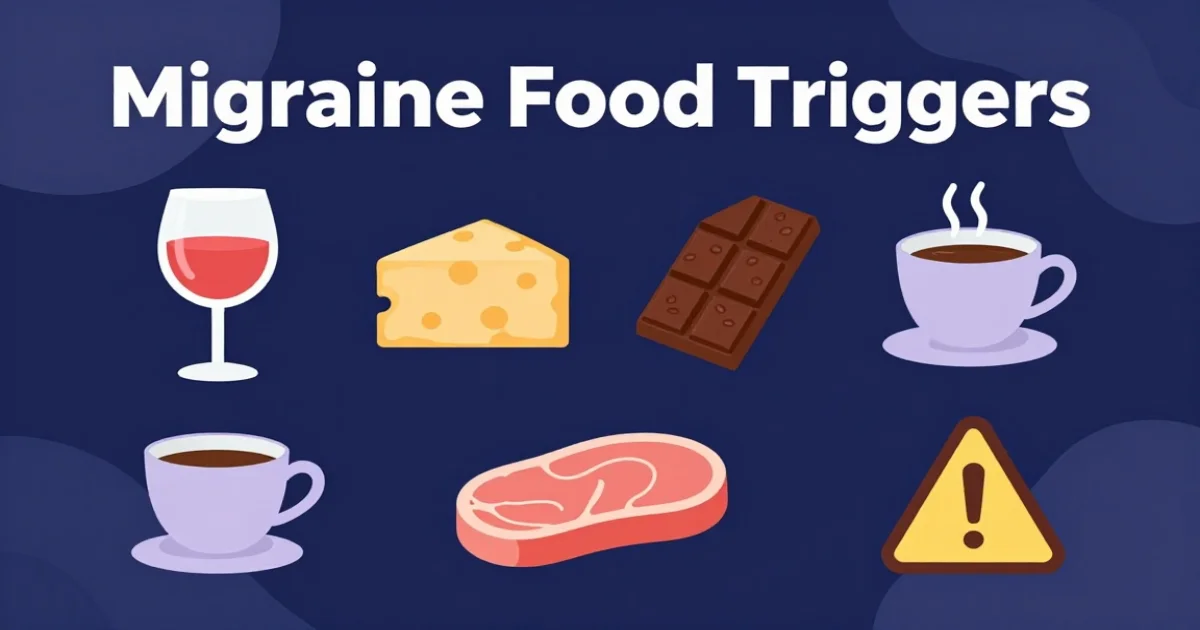
Migraine Food Triggers: What the Evidence Actually Says
62.5% of migraineurs avoid at least one food as a trigger. Learn which foods cause migraines, how they work, and how to find your real dietary triggers.
Can Stress Cause a Migraine? What the Research Shows
Stress is the most commonly reported migraine trigger. Learn the science behind stress-induced attacks and natural strategies to break the cycle before your next attack.

Why Keeping a Migraine Diary Can Cut Your Attacks in Half
Research shows migraine tracking can reduce attack frequency by 30–50%. Learn how a consistent diary reveals your personal triggers and transforms your treatment plan.