Migraine & Headache Blog
Expert insights on understanding, tracking, and managing migraine attacks. Written by healthcare professionals and people who understand what you're going through.
All Posts
What Is Migraine Aura? Symptoms, Types, and What to Do
Migraine aura affects 25-30% of people with migraine. Learn what aura symptoms feel like, the types, why they happen, and when to seek medical advice.
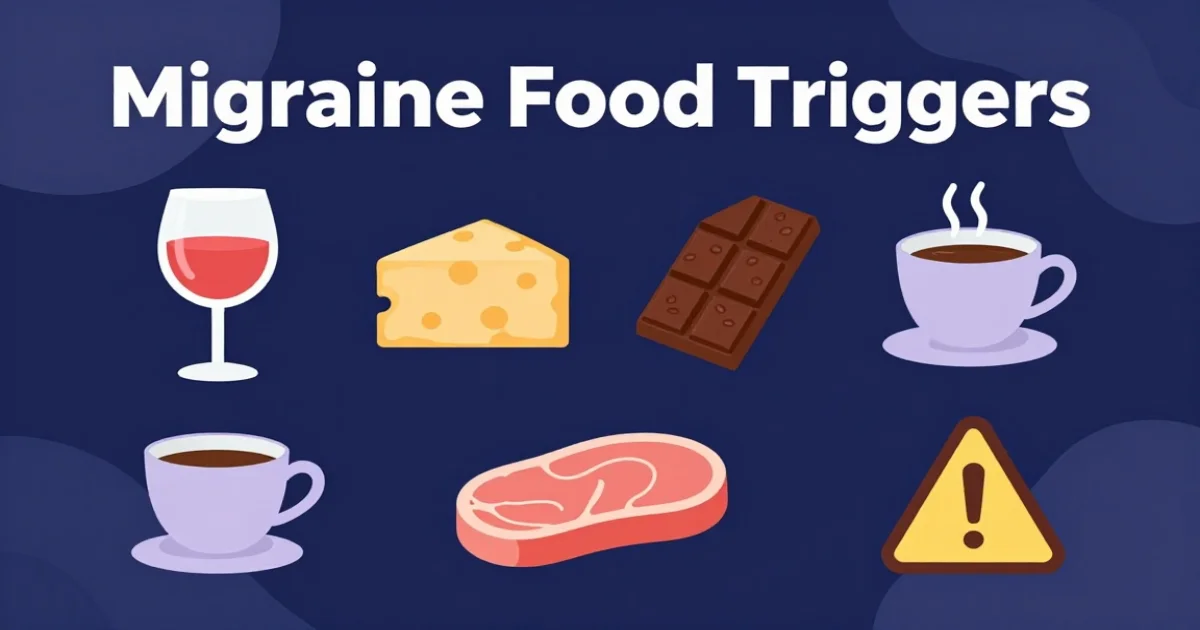
Migraine Food Triggers: What the Evidence Actually Says
62.5% of migraineurs avoid at least one food as a trigger. Learn which foods cause migraines, how they work, and how to find your real dietary triggers.

How to Get Rid of a Headache: Natural Methods That Work
40% of adults experience headaches. Most respond to natural treatment. Learn proven methods to relieve headache pain fast without medication.
Migraine Brain Fog: What It Is and How to Manage It
Migraine brain fog affects many sufferers and can outlast head pain by 24–48 hours. Learn what causes it, symptoms to watch for, and how to manage it naturally.
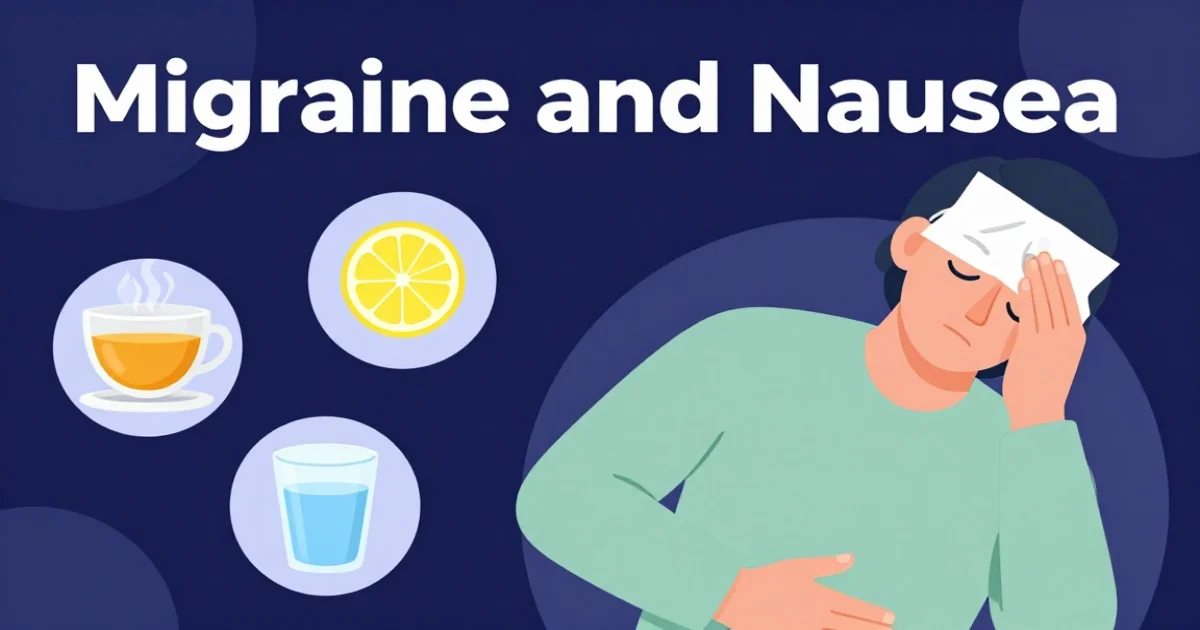
Migraine and Nausea: Why It Happens and How to Cope
Nausea affects many migraine sufferers. Learn why it happens, evidence-based coping strategies, and how tracking your symptoms leads to better relief.
What Triggers a Silent Migraine? Causes and Management
Discover silent migraine triggers, how they differ from regular migraines, and natural management strategies to reduce attacks. Start tracking with Calma today.
Vestibular Migraine Triggers: Common Causes and How to Find Yours
Over 75% of migraine patients identify triggers through tracking. Discover the most common vestibular migraine triggers and find your personal patterns with a detailed diary.
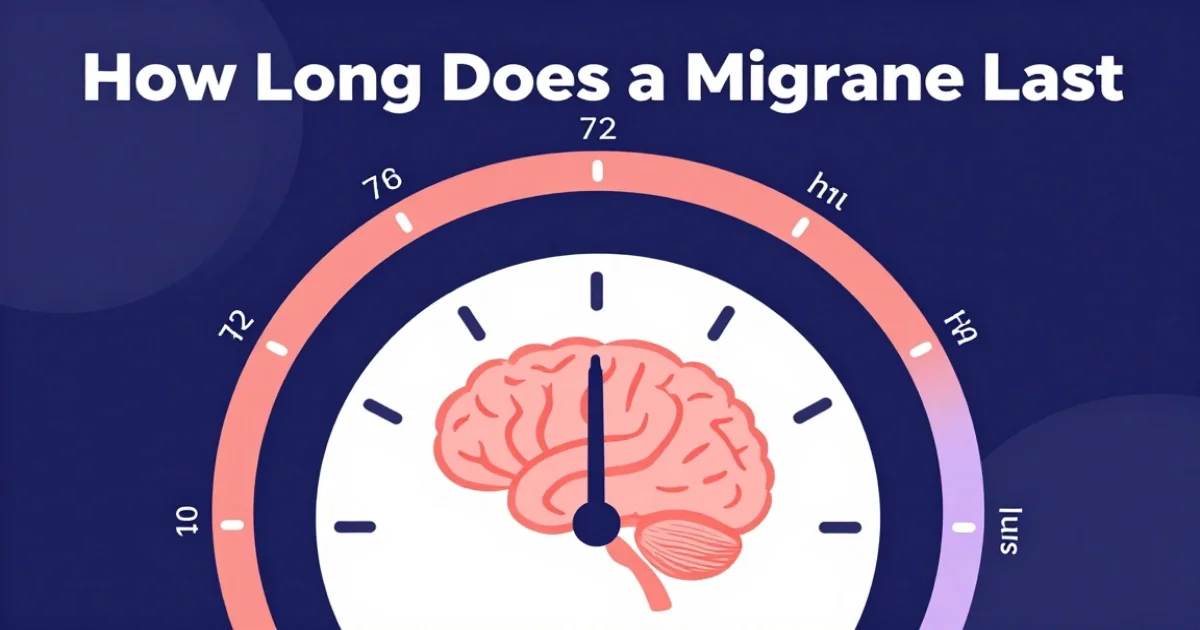
How Long Does a Migraine Last? What's Normal vs. Concerning
Migraines last 4–72 hours, but the full attack cycle including prodrome and postdrome can stretch 1–3 days. Learn what's normal, what's a warning sign, and how to track.

How to Stop a Migraine: Step-by-Step Natural Relief
Migraine ranks third among global disability causes. Learn proven strategies to stop attacks — dark room rest, cold therapy, and breathing techniques for fast relief.