How to Get Rid of a Headache: Natural Methods That Work
40% of adults experience headaches. Most respond to natural treatment. Learn proven methods to relieve headache pain fast without medication.
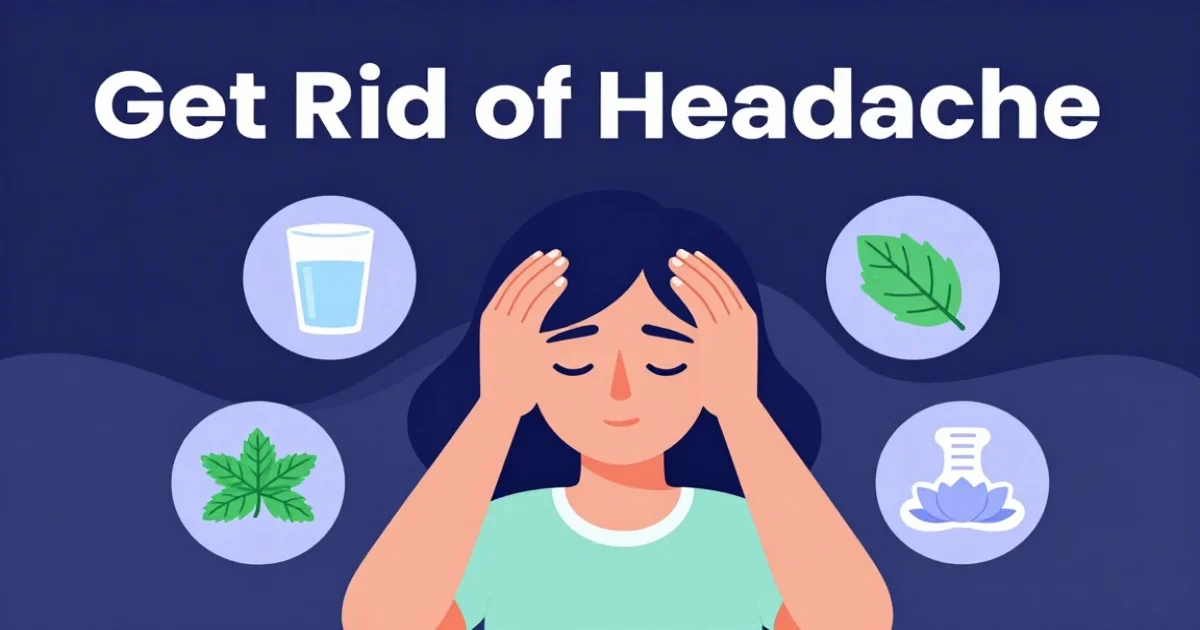
Every year, approximately 40% of adults worldwide experience at least one headache, making it one of the most universal health complaints across every age group, according to the World Health Organization. Recurring head tension can erode your quality of life, your productivity, and your sleep. The good news: most headache types respond well to natural, non-medication approaches. Understanding what triggers your pain is the first and most powerful step toward relief.
This guide covers the most evidence-supported natural methods for getting rid of a headache, organized by cause and accessibility. Whether you are dealing with a tension headache from screen time, a mild dehydration episode, or recurring cephalic discomfort from poor sleep, these strategies can help you find relief without reaching for a pill every time.
Does Drinking Water Actually Relieve a Headache?
Dehydration is one of the most common, and most overlooked, causes of head pain. Research published via the NIH National Library of Medicine shows that even mild dehydration at 1-2% body water loss can impair concentration and trigger headache symptoms in otherwise healthy adults. For many people, drinking 16-24 ounces of water over 20 minutes brings noticeable relief within half an hour.
The mechanism is straightforward. The brain sits cushioned in cerebrospinal fluid. When fluid volume drops, the brain temporarily contracts and pulls slightly from the skull. That pulling registers as pain. It sounds alarming. It's actually very fixable.
Calma users who log hydration consistently report fewer afternoon headaches compared to periods when they skip tracking. The pattern is clear in the data: low water intake before noon correlates strongly with head pain reports between 2 and 5 pm.
If plain water feels uninspiring, add a pinch of sea salt for electrolytes, or sip an oral rehydration solution. Limit caffeinated beverages while rehydrating. Caffeine is a mild diuretic and can slow recovery. Herbal teas and diluted fruit juices are solid alternatives.
Does Rest in a Dark Room Help Migraine-Related Pain?
Migraine headaches work differently from tension or dehydration head pain. They involve distinct neurological pathways and often come with sensitivity to light, sound, and smell. When a migraine strikes, removing yourself from overstimulating environments is the most effective immediate step.
Lie down in a dark, quiet room. Close your eyes. Apply a cold compress to the forehead or the back of the neck. The rationale is direct: light and noise amplify the neurological signals generating migraine pain. A calming sensory environment shortens migraine duration.
Slow diaphragmatic breathing actively counters the stress response that worsens migraine attacks. Try inhaling for four counts, holding for four, exhaling for six. Even 20-30 minutes of deliberate rest using this technique can meaningfully reduce intensity, particularly if you start early in the attack.
Cold vs. Heat: Which Works Better for Headaches?
Cold therapy and heat therapy both relieve head pain. Their effectiveness depends on the type of cephalic discomfort you are experiencing. Choosing the wrong one won't hurt you, but choosing the right one gets you to relief faster.
| Cold Therapy | Heat Therapy | |
|---|---|---|
| When to use | During a migraine or throbbing head pain | During tension headaches or neck stiffness |
| How long | 15 minutes on, 15 minutes off | 15–20 minutes, continuous |
| Best for | Vascular, inflammatory pain | Muscle-driven, tension-type pain |
| How to apply | Cold pack wrapped in cloth on forehead or back of neck | Warm compress, heating pad, or hot shower on shoulders and neck |
| Mechanism | Constricts dilated blood vessels, numbs pain signals | Relaxes contracted neck and shoulder muscles |
| Headache type | Migraine, cluster headache | Tension-type, cervicogenic headache |
Cold compresses cause blood vessels to constrict, reducing the inflammatory signals associated with migraine. Heat relaxes the muscle tension that drives tension headaches. Many tension headaches originate in the neck and shoulders, often from sustained posture during screen work, and heat addresses that muscular source directly.
For some people, alternating cold and heat works best. Experiment during headache-free periods so you already know your answer when the pain arrives.
Can Massage and Manual Techniques Relieve a Headache?
Gentle massage of the temples, neck, and shoulders releases the tension that commonly underlies head pain. For a tension headache, firm but gentle pressure on the muscles at the base of the skull and along the jaw can produce immediate relief. Simple. No equipment needed.
A useful self-massage technique: use your thumbs to press in small circles along the muscles at the back of your neck, starting at the skull's base and working downward toward the shoulders. Hold pressure on tender points for 20-30 seconds before moving on.
If your headaches tie to jaw clenching or temporomandibular joint tension, gently massaging the masseter muscles along the jawline can be surprisingly effective. Many people clench unconsciously during sleep or stressful moments without ever noticing it.
For recurrent patterns, consider a physical therapist or massage therapist who specializes in craniosacral work or trigger point release. These practitioners address deeper muscular and fascial patterns that self-massage cannot fully reach.
How Does Stress Trigger Head Tension?
Stress is one of the most consistently reported headache triggers, and the physiology explains why. The stress response involves muscle contraction, changes in blood vessel diameter, and altered breathing, all of which can generate or worsen head pain. Learning to interrupt this cycle before symptoms appear is one of the most valuable long-term tools available.
Progressive muscle relaxation works by systematically tensing and releasing each muscle group in the body, moving from feet to head. When you reach the face, jaw, and scalp, deliberately releasing that contraction signals the nervous system that it is safe to relax. The effect on headache frequency is real.
The American Migraine Foundation notes that stress management is among the most consistently recommended non-pharmacological approaches for migraine prevention. Mindfulness meditation practiced for just 10 minutes a day reduces baseline stress and decreases headache frequency over time.
In the middle of a stressful day? Step outside for two minutes. Take one slow breath cycle. Do a quick body scan to release shoulder and jaw tension. Small interruptions prevent escalation.
Why Is Sleep So Critical for Headache Prevention?
Poor sleep and inadequate sleep are both established headache triggers. The relationship runs both ways: headaches disrupt sleep, and disrupted sleep produces more headaches. Breaking that cycle requires deliberate action, not just hoping for a better night.
Aim for 7-9 hours of consistent sleep each night. Go to bed and wake at approximately the same time every day, including weekends. Even one night of significantly shortened or irregular sleep can produce head pain the following day in susceptible individuals.
In tracking data from Calma users, headaches logged on Mondays and post-travel days cluster significantly higher than midweek days, pointing to weekend sleep schedule disruption as a key driver.
If you wake up with head pain regularly, examine your sleep environment closely. Our article on why you might wake up with a headache every morning covers the most common sleep-related causes in depth, including sleep apnea, teeth grinding, and poor sleep posture.
Targeted improvements, such as adjusting pillow height, using a dental guard for grinding, or seeking evaluation for sleep apnea, can eliminate a morning headache pattern entirely without any medication.
Does Caffeine Help or Hurt a Headache?
Caffeine is a double-edged sword. In moderation, it relieves acute head pain by constricting blood vessels and enhancing the body's natural pain-relief compounds. Many over-the-counter headache formulations include caffeine for this reason. That said, habitual high consumption followed by withdrawal reliably produces its own headache.
If you consume more than two to three caffeinated beverages per day and then skip your usual intake, a caffeine withdrawal headache is almost guaranteed within 12-24 hours. The head tension is real, and it can be intense.
The solution is not necessarily to eliminate caffeine. Consume it consistently: the same amount at the same times each day. If you want to reduce your intake, taper gradually over two to three weeks rather than stopping abruptly.
Can Poor Posture Cause Headaches?
Tension headaches frequently originate from musculoskeletal strain in the neck and upper back. Poor posture is a major contributor. When your head sits forward of your shoulders, as it does when looking at a phone or slouching at a desk, it places extra load on the neck and upper back muscles. That load radiates upward as head tension.
Setting up an ergonomic workstation makes a measurable difference. Screen at eye level. Feet flat on the floor. Shoulders relaxed, not hunched. Taking a five-minute break to stand, stretch, and walk every hour prevents the sustained muscle contraction that leads to cephalic discomfort.
Regular neck and shoulder stretching keeps muscles pliable and less prone to trigger points that refer pain to the head. Gentle chin tucks, shoulder rolls, and side neck stretches are enough. Two minutes, a few times a day.
Why Does Tracking Your Headache Patterns Make Such a Difference?
One of the most underused tools in headache management is paying attention to patterns over time. Most people with recurrent head pain have at least one identifiable trigger: certain foods, dehydration, stress, hormonal shifts, weather changes, or poor sleep. Without tracking, connecting those dots is nearly impossible.
A simple headache diary, logging when pain started, what you ate and drank, how you slept, your stress level, and the weather, reveals patterns that are otherwise invisible. Over weeks and months, those patterns become actionable.
In our experience working with Calma users, people who track for four or more weeks are significantly more likely to identify a primary trigger they were previously unaware of. That single insight often leads to the biggest reduction in headache frequency.
Calma's migraine tracking features let you log pain intensity, location, potential triggers, mood, sleep quality, and hydration in one place, building a dataset you can share with your doctor or neurologist. Understanding your personal triggers is foundational to getting the most from migraine tracking.
When Should You See a Doctor About Your Headaches?
While the vast majority of headaches are benign and respond to natural approaches, certain patterns warrant prompt evaluation by a healthcare professional. Knowing the warning signs is important.
Seek medical attention for any of the following: a sudden, severe "thunderclap" headache reaching maximum intensity within seconds; head pain accompanied by fever, stiff neck, confusion, or neurological symptoms such as vision changes, weakness, or difficulty speaking; a headache that is progressively worsening over weeks or months; a new headache if you are over 50 or have a history of cancer or immune suppression; or any head pain following a head injury.
These patterns can indicate serious underlying conditions including meningitis, stroke, or other conditions requiring urgent evaluation. For recurrent headaches that are severe, frequent, or significantly interfering with daily life, a neurologist can identify the specific type and develop an appropriate plan. Understanding how migraines differ from other types of headaches is often a helpful starting point for that conversation.
How Do You Prevent Headaches Before They Start?
The most effective headache strategy is the one you never have to use. A consistent daily routine that supports neurological and musculoskeletal health reduces the frequency of both tension headaches and migraine attacks, often dramatically.
The core prevention habits are not complicated. Stay well hydrated throughout the day. Prioritize consistent, adequate sleep. Manage stress through regular relaxation practice. Maintain good posture during work and phone use. Exercise moderately and regularly.
For migraine sufferers specifically, identifying and avoiding personal dietary triggers, which may include aged cheeses, processed meats, alcohol, artificial sweeteners, or skipped meals, is one of the most effective preventive strategies available. Our guide to common migraine triggers outlines these in detail.
Building these habits isn't about perfection. It's about consistency. Small improvements in hydration, sleep quality, and stress management compound over time. The result is fewer headache days, lower pain intensity, and more predictable relief when a headache does arrive.
Headaches are not something you have to simply endure. By understanding your specific triggers, applying the right approach for your type of head pain, and building sustainable daily habits, most people can significantly reduce both frequency and intensity. Start by noticing what is different on headache days versus headache-free days. Make one or two small changes at a time. Your head will thank you.
Download on the App StoreFrequently Asked Questions
What gets rid of a headache the fastest?
The fastest relief typically comes from addressing the root cause: hydration for dehydration headaches, rest in a dark room for migraine-related pain, or cold therapy for tension headaches. Over-the-counter pain relievers work quickly but only mask symptoms. Natural approaches address the underlying triggers directly.
How do you get rid of a headache without medication?
You can relieve head pain without medication through hydration, applying cold or heat to the head and neck, practicing relaxation and deep breathing, massaging the temples and neck, ensuring adequate sleep, and avoiding known triggers. These methods are most effective for tension-type and mild migraine headaches.
When should I see a doctor about a headache?
Consult a doctor or neurologist if your headaches are severe and frequent (more than twice a week), do not respond to any treatment, are accompanied by neurological symptoms such as vision changes or weakness, or suddenly change in pattern or intensity. Persistent daily headaches always warrant professional evaluation.
Can dehydration really cause headaches?
Yes. Dehydration is one of the most common and overlooked causes of head pain. When the body lacks adequate water, brain tissue temporarily contracts, triggering pain receptors. Even mild dehydration at 1-2% fluid loss can produce noticeable cephalic discomfort. The remedy is direct: drink water and replenish electrolytes.
Related Articles
Migraine Food Triggers: What the Evidence Actually Says
62.5% of migraineurs avoid at least one food as a trigger. Learn which foods cause migraines, how they work, and how to find your real dietary triggers.
Migraine and Nausea: Why It Happens and How to Cope
Nausea affects many migraine sufferers. Learn why it happens, evidence-based coping strategies, and how tracking your symptoms leads to better relief.
How Long Does a Migraine Last? What's Normal vs. Concerning
Migraines last 4–72 hours, but the full attack cycle including prodrome and postdrome can stretch 1–3 days. Learn what's normal, what's a warning sign, and how to track.