Migraine vs Tension Headache: How to Tell the Difference
40% of adults experience headaches. Migraine and tension headache need different treatments. Learn the 5 key differences, how to tell them apart, and when to see a doctor.
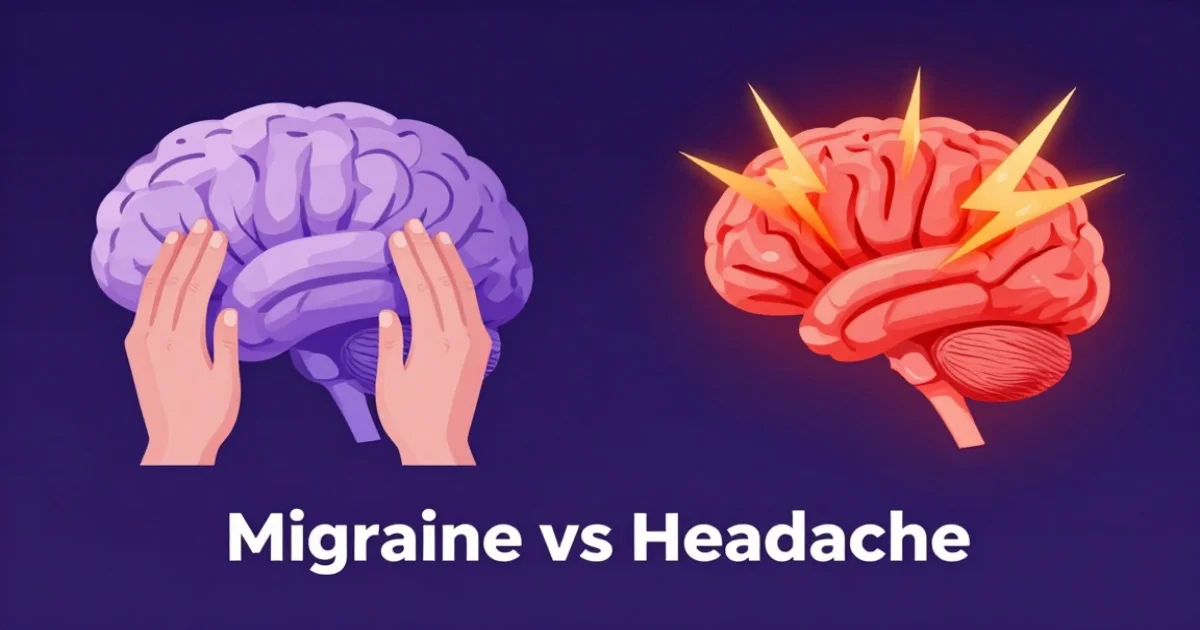
Migraine vs Tension Headache: How to Tell the Difference
Headaches are one of the most common health complaints worldwide. The World Health Organization reports that 40% of adults globally experience at least one headache per year. Yet despite this prevalence, many people cannot distinguish between a migraine and a tension headache. This confusion leads to months of ineffective treatment and unnecessary suffering. These two conditions require fundamentally different approaches to management, yet they share some overlapping symptoms that can mask the true diagnosis.
The distinction matters more than most people realize. Migraine is a neurological disorder affecting hundreds of millions of people worldwide, ranking as the third leading cause of disability globally according to the World Health Organization. Tension-type headache is actually far more common, affecting more than 70% of people in some populations according to the WHO. Both cause head pain, but the mechanisms, symptoms, and treatments differ substantially.
What Are Migraine and Tension Headache, and How Are They Classified?
Before diving into specific symptoms, it helps to understand what these conditions actually are. They are not simply "bad headaches" versus "regular headaches." Medical professionals classify them as distinct primary headache disorders with different underlying mechanisms.
What Is a Tension Headache?
A tension-type headache (TTH) is the most common headache disorder diagnosed worldwide. It occurs when muscles in the neck, shoulders, and scalp tighten, often due to stress, poor posture, or eye strain. The pain develops gradually and typically feels like constant pressure squeezing around the entire head.
This condition rarely interferes with daily activities. Most people can continue working, exercising, and functioning normally despite the discomfort. Over-the-counter pain relievers such as ibuprofen or acetaminophen usually provide adequate relief. The frequency varies widely: some people experience episodic tension headaches a few times per month, while others deal with them several times per week.
What Is a Migraine?
Migraine is a neurological disorder involving abnormal brain activity that affects nerve signals, chemicals, and blood vessels in the brain. Unlike tension headache, migraine involves the trigeminal nerve system and cortical spreading depression, which is a wave of electrical activity that spreads across the brain surface.
The World Health Organization confirms that migraine is the third most prevalent illness in the world. Attacks last between 4 and 72 hours when untreated. The pain is typically severe, throbbing, and aggravated by physical activity. What truly sets migraine apart is the collection of neurological symptoms that accompany the head pain.
Many migraine sufferers report experiencing their first attack during adolescence or early adulthood. The condition often runs in families, suggesting a genetic component. Women are three times more likely to experience migraine than men, largely due to hormonal influences. If you are trying to identify your specific triggers, tracking your attacks systematically is one of the most evidence-based steps you can take.
Migraine vs Tension Headache: What Are the Key Differences?
| Feature | Migraine | Tension Headache |
|---|---|---|
| Pain Location | Usually one side, can be bilateral | Both sides of head |
| Pain Quality | Throbbing, pulsing, pounding | Dull, pressure-like, aching |
| Pain Intensity | Moderate to severe | Mild to moderate |
| Duration | 4 to 72 hours | 30 minutes to 7 days |
| Nausea/Vomiting | Common (majority of patients) | Rare to none |
| Light/Sound Sensitivity | Very common (photophobia/phonophobia) | Absent or mild |
| Aura Symptoms | Occurs in 25-30% of sufferers | Never present |
| Physical Activity Effect | Worsens pain significantly | Usually no effect |
| Need for Rest | Often requires dark, quiet room | Can usually continue activities |
| Treatment Approach | Triptans, CGRP inhibitors, preventives | OTC pain relievers, stress management |
This comparison reveals why misdiagnosis is so common. The two conditions share head pain as a symptom, but the quality, intensity, and accompanying features tell very different stories.
What Symptoms Are Specific to Migraine?
While head pain connects these conditions, migraine introduces a constellation of symptoms that tension headache never produces. Understanding these differences is essential for proper diagnosis and treatment.
Aura and Visual Disturbances
Approximately 25-30% of migraine sufferers experience aura before their headache begins. Aura manifests as visual disturbances including flashing lights, zigzag lines, blind spots, or temporary vision loss. Some people describe shimmering, colorful patterns or fragmentation of their visual field. These symptoms build gradually over 5-20 minutes and typically resolve within an hour.
Aura occurs because of the cortical spreading depression mentioned earlier. A wave of altered brain activity moves across the visual cortex, creating these perceptions that have no external source. If you experience aura, you should discuss it with a neurologist, as it affects treatment options. For a full breakdown of aura types, causes, and when to seek emergency care, see what is migraine aura.
Nausea and Digestive Disturbance
Nausea is one of the most reliable indicators that your headache is migraine rather than tension-type. The Mayo Clinic reports that nausea is very common during migraine attacks. Many also vomit, though this is less common. The nausea ranges from mild stomach discomfort to severe, debilitating waves that feel completely separate from the head pain. For a deeper look at why nausea occurs and how to manage it, see our guide to migraine and nausea.
This symptom reflects the activation of the autonomic nervous system during migraine attacks. The same brain regions that control nausea and vomiting (the chemoreceptor trigger zone and vomiting center) become involved in the migraine process. This is why anti-nausea medications are often prescribed alongside acute migraine treatments.
Sensory Sensitivity
Migraine attacks routinely affect how the brain processes sensory information. Photophobia (extreme sensitivity to light) occurs in the vast majority of migraine sufferers. During an attack, even normal indoor lighting feels painfully bright. Phonophobia (sensitivity to sound) makes everyday noises unbearable. Some people also experience osmophobia (sensitivity to smell), where ordinary odors become nauseating.
These symptoms reflect the hyperexcitable state of the migraine brain. Neurons in the pain-processing regions respond more vigorously to normal sensory input. This is why migraine specialists recommend creating a "migraine cave": a dark, quiet space where you can ride out the attack.
How Often Do Migraines and Tension Headaches Occur, and What Is Their Impact?
Both conditions exist on a spectrum from episodic to chronic, but their real-world impact differs dramatically.
How Often Do These Occur?
Episodic tension headaches affect most adults at some point. The lifetime prevalence of TTH reaches 78% of the general population. For many people, these headaches are occasional inconveniences that respond well to basic treatment.
Migraine prevalence is lower but still substantial. Approximately 12% of the global population experiences migraine. Of those, roughly 3% develop chronic migraine, defined as 15 or more headache days per month with at least 8 meeting migraine criteria.
What makes migraine particularly insidious is its tendency to worsen over time when untreated. Each attack sensitizes the nervous system, potentially lowering the threshold for future attacks. This progressive nature is why neurologists emphasize early intervention and preventive strategies.
Disability and Quality of Life
The Global Burden of Disease study delivers a stark verdict: migraine ranks as the third leading cause of disability worldwide. This places it among the most disabling neurological conditions, above hearing loss, arthritis, and diabetes in terms of life-altering impact. Tension headache, while painful, rarely produces this level of functional impairment.
Users of migraine tracking apps frequently report missing work, canceling social activities, and struggling to care for children during attacks. The unpredictable nature of migraine adds another layer of difficulty. Unlike tension headaches, which people can often power through, migraine typically demands complete withdrawal from normal activities.
Do Migraines and Tension Headaches Have Different Triggers?
Both conditions can be triggered by similar factors, but understanding your specific triggers helps distinguish between them and informs treatment.
What Activates Tension Headaches
Tension headaches typically emerge from physical stressors on the muscles and nervous system. Common triggers include prolonged screen time causing eye strain, poor posture during computer work, emotional stress and anxiety, skipping meals or becoming dehydrated, and inadequate sleep. Many people notice their tension headaches appear on Sundays or Mondays, correlating with work-related stress accumulation. Stress is also a major migraine trigger and understanding the stress-migraine connection can help you manage both conditions more effectively.
What Activates Migraines
Migraine triggers are more diverse and individual. Hormonal fluctuations rank among the most common: many women experience migraines specifically around their menstrual period, during ovulation, or during perimenopause. Weather changes, particularly barometric pressure drops, reliably trigger attacks in susceptible individuals.
Specific foods and beverages act as triggers for many sufferers. Red wine, aged cheese, processed meats, artificial sweeteners, and caffeine withdrawal are well-documented triggers. Sleep disturbances including both insufficient sleep and oversleeping can precipitate attacks.
For a comprehensive breakdown of migraine triggers, see our guide to the most common migraine triggers and how to avoid them.
How Are Migraine and Tension Headache Treated Differently?
Treatment strategies diverge significantly between these conditions. Using migraine treatment for tension headache wastes resources and may cause medication-overuse headache. Using tension headache treatment for migraine provides inadequate relief.
Managing Tension Headaches
Tension headaches typically respond to simple interventions. Over-the-counter analgesics including ibuprofen, naproxen, and acetaminophen effectively reduce pain when taken at headache onset. Stress management techniques such as meditation, progressive muscle relaxation, and cognitive behavioral therapy address underlying triggers.
Physical therapy provides lasting relief for many sufferers. A physical therapist can correct posture imbalances, release tight muscles in the neck and shoulders, and prescribe strengthening exercises. Regular exercise, adequate hydration, and consistent sleep schedules help prevent frequency over time.
Managing Migraines
Migraine treatment requires a more targeted approach. Acute medications include triptans (sumatriptan, rizatriptan, zolmitriptan), which constrict blood vessels and block pain pathways. NSAIDs and anti-nausea medications address milder attacks or complement triptans.
Preventive treatments have transformed migraine management for frequent sufferers. CGRP inhibitors such as erenumab, fremanezumab, and galcanezumab specifically target the calcitonin gene-related peptide involved in migraine attacks. Beta-blockers, antidepressants, and anti-seizure medications also provide preventive benefits for many patients.
The American Migraine Foundation notes that biofeedback and acupuncture have Level A evidence for migraine prevention. These approaches work best as complements to medical treatment, not replacements for it.
When Should You Seek Medical Attention for Headaches?
Most headaches are benign, but some signal serious underlying conditions requiring immediate evaluation.
Warning Signs Requiring Urgent Care
Seek immediate medical attention for a sudden, severe "thunderclap" headache that peaks within seconds. This could indicate subarachnoid hemorrhage, a life-threatening bleeding event. Headaches following head trauma also warrant evaluation to rule out concussion or intracranial bleeding.
New onset headaches after age 50 raise concern for giant cell arteritis or brain tumors. Headaches accompanied by fever and stiff neck suggest meningitis or encephalitis. Any headache with neurological symptoms including weakness, vision loss, difficulty speaking, or confusion requires emergency evaluation.
Getting Proper Diagnosis
If your headaches significantly impact your quality of life, a neurologist can help. Keeping a detailed headache diary for several weeks before your appointment dramatically improves diagnostic accuracy. Record pain location, intensity, duration, associated symptoms, and potential triggers for each episode.
Many patients discover through tracking that their "tension headaches" actually meet criteria for migraine without aura. This reclassification often unlocks access to more effective treatments. Others learn they have both conditions simultaneously, requiring a combined treatment approach.
How Does Tracking Your Headaches Improve Treatment Outcomes?
Understanding your headache pattern is the foundation of effective management. Whether you're dealing with migraines, tension headaches, or both, detailed symptom tracking reveals patterns that guide treatment decisions.
What to Record
Log the date and time each headache begins and ends. Rate pain intensity on a scale of 1-10. Note the exact location: one side, both sides, front, back, or radiating. Document associated symptoms: nausea, light sensitivity, sound sensitivity, visual changes, or aura. Record what you were doing immediately before onset: eating certain foods, experiencing stress, sleeping poorly, or exercising.
Tracking medication use helps identify whether your current treatment is working and whether you're at risk for medication-overuse headache. Note the dose and time you took each medication, along with how well it worked.
Using Technology to Help
Modern migraine tracking apps streamline this documentation. Rather than maintaining paper journals, you can log symptoms in under a minute using your smartphone. Calma helps you track attacks over time, identify trigger patterns, and generate reports to share with your healthcare provider. Users frequently tell us that this tracking transformed their conversations with doctors, leading to faster diagnoses and more personalized treatment plans.
Understanding the difference between migraine and tension headache is the first step toward finding effective relief. These conditions share some symptoms but differ substantially in cause, impact, and treatment. With proper tracking and professional guidance, you can take control of your head pain and reclaim your quality of life.
Download on the App StoreFrequently Asked Questions
Can tension headaches turn into migraines?
Tension headaches do not evolve into migraines physiologically. They are distinct neurological conditions with different mechanisms. However, many patients have both conditions simultaneously. Some migraine attacks present with prominent tension-type features, and some tension headache sufferers develop migraine features over time.
Are migraines always on one side?
No. Approximately one-third of migraine sufferers experience bilateral pain. While unilateral pain is a classic feature, it is not required for diagnosis. If your headaches lack the neurological symptoms (nausea, aura, significant light sensitivity), they are more likely tension-type regardless of which side hurts.
Is migraine just a bad headache?
No. Migraine is a complex neurological disorder with well-documented mechanisms involving cortical spreading depression, trigeminal nerve activation, and central sensitization. The head pain is only one component. Nausea, sensory sensitivity, cognitive impairment, and the unpredictable nature of attacks distinguish migraine from other headache types. Many specialists now view migraine as a genetic neurological condition rather than simply a headache disorder.
How do I know if my headache is serious?
Seek immediate medical attention for sudden severe headaches that feel like the worst headache of your life. Also seek urgent care for headaches accompanied by fever and stiff neck (possible meningitis), headaches following head injury, or headaches with neurological symptoms like weakness, vision loss, confusion, or difficulty speaking.
Sources
Related Articles
What Is Migraine Aura? Symptoms, Types, and What to Do
Migraine aura affects 25-30% of people with migraine. Learn what aura symptoms feel like, the types, why they happen, and when to seek medical advice.
What Triggers a Silent Migraine? Causes and Management
Discover silent migraine triggers, how they differ from regular migraines, and natural management strategies to reduce attacks. Start tracking with Calma today.
How Long Does a Migraine Last? What's Normal vs. Concerning
Migraines last 4–72 hours, but the full attack cycle including prodrome and postdrome can stretch 1–3 days. Learn what's normal, what's a warning sign, and how to track.