What Triggers a Silent Migraine? Causes and Management
Discover silent migraine triggers, how they differ from regular migraines, and natural management strategies to reduce attacks. Start tracking with Calma today.
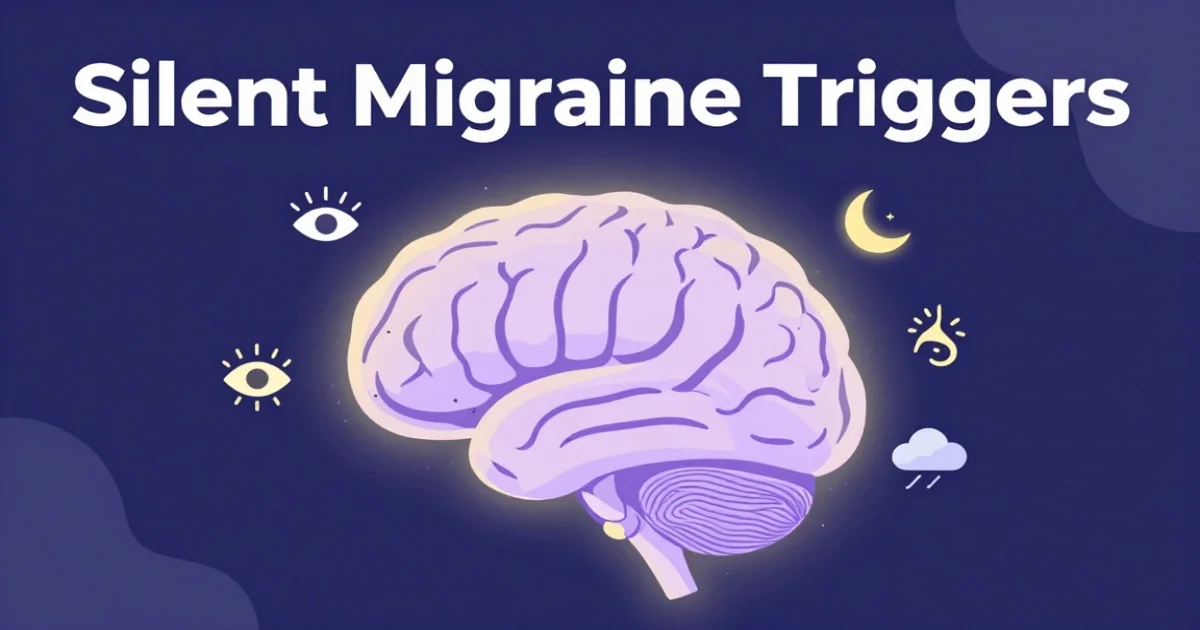
What Triggers a Silent Migraine? Causes and Management
A silent migraine, also known as acephalgic migraine or migraine without headache, is a neurological condition that causes the aura phase of a migraine attack without the typical head pain. While regular migraines follow a pattern of prodrome, aura, headache, and resolution, acephalgic migraine skips the headache entirely, leaving only the disturbing neurological symptoms. According to the American Migraine Foundation, this variant affects a significant portion of migraine sufferers and is often underdiagnosed because the absence of pain leads people to overlook its connection to migraine disease. If you want to understand aura itself in depth, including its types and neurological mechanisms, see our guide to migraine aura. Understanding your personal triggers is the first step toward effective management and fewer disruptive episodes.
What Exactly Is a Silent Migraine (Acephalgic Migraine)?
Acephalgic migraine is a subtype of migraine where aura symptoms occur without subsequent headache pain. The experience can be disorienting and frightening, especially when you do not connect the symptoms with migraine disease. While most people are familiar with the throbbing head pain of a conventional migraine, acephalgic migraine proves that head pain is not required for a migraine attack to occur.
Many people with acephalgic migraine report confusion before diagnosis. They visit emergency rooms or specialist offices seeking answers for symptoms that seem unrelated to each other. Visual disturbances, temporary vision loss, numbness on one side of the body, difficulty speaking, or confusion appear without explanation. The absence of pain makes it easy to dismiss these episodes as unrelated events.
Citation capsule: Acephalgic migraine (silent migraine) is a recognized migraine variant in which neurological aura symptoms — visual disturbances, numbness, or speech difficulty — occur without head pain. According to the American Migraine Foundation, this variant is frequently underdiagnosed because the absence of pain leads people to overlook the neurological symptoms, sometimes for years before a correct diagnosis is made.
What Triggers a Silent Migraine?
Acephalgic migraine triggers are largely the same as those that provoke classic migraine, though some triggers may disproportionately affect people who experience aura without headache. Identifying and avoiding your personal triggers is one of the most effective strategies for reducing attack frequency.
Citation capsule: Acephalgic migraine shares most triggers with classic migraine: stress, hormonal fluctuations, specific foods, sleep disruption, weather changes, and sensory stimuli. According to the National Institutes of Health, hormonal migraines account for a substantial proportion of all migraine cases in women, with acephalgic variants particularly common during perimenopause and the days surrounding menstruation.
Stress and Emotional Fluctuations
Stress is the single most commonly reported trigger for all migraine types, including acephalgic migraine. The brain of a person with migraine is neurologically hypersensitive, and emotional stress, whether from work pressure, relationship difficulties, or financial worry, can trigger the cortical spreading depression that underlies aura symptoms.
Notably, the "let-down" effect, where attacks occur during periods of relaxation after sustained stress, is particularly pronounced in acephalgic migraine. Managing stress through relaxation techniques, mindfulness, and regular exercise can significantly reduce trigger exposure. Calma users frequently report that establishing evening wind-down routines helps break the stress-to-attack cycle.
Hormonal Changes
Hormonal fluctuations are a powerful trigger, especially for women. Estrogen levels directly influence migraine susceptibility, and many women first notice migraine without headache during perimenopause or in the days surrounding menstruation when estrogen drops sharply. Tracking hormonal patterns can help identify this trigger. According to the National Institutes of Health, hormonal migraines account for a substantial percentage of all migraine cases in women, and silent variants are particularly common during these hormonal transitions.
Certain Foods and Dietary Triggers
Common dietary triggers for acephalgic migraine include aged cheeses, processed meats, monosodium glutamate (MSG), artificial sweeteners, and caffeine, both excess consumption and sudden withdrawal. Alcohol, particularly red wine, is another frequent culprit.
If you suspect food triggers, tracking your diet alongside your symptoms can help pinpoint specific offenders over four to eight weeks of consistent monitoring. Many Calma users discover that seemingly unrelated foods, such as aged Parmesan or soy sauce, appear as consistent precursors to their episodes.
Sleep Disturbances
Both insufficient and excessive sleep reliably trigger acephalgic migraine. Irregular sleep schedules, jet lag, shift work, and even sleeping in on weekends can precipitate an attack. The migraine brain thrives on routine, and disruptions to the sleep-wake cycle appear to lower the threshold for aura symptoms. Prioritizing consistent sleep and wake times, even on weekends, is a simple but powerful intervention.
Weather and Environmental Changes
Barometric pressure fluctuations, particularly drops in pressure that precede storms, are among the most frequently reported environmental triggers. High humidity, extreme temperatures, and changes in altitude can also precipitate attacks. While you cannot control the weather, recognizing that weather is a trigger allows you to prepare during high-risk periods and minimize other trigger exposure on sensitive days.
Sensory Stimuli
Bright or flickering lights, loud sounds, strong odors, and other intense sensory input can trigger acephalgic migraine aura. This sensitivity reflects the underlying cortical hyperexcitability characteristic of the migraine brain. Wearing tinted lenses, such as FL-41 lenses, using blue light filters on screens, and avoiding perfumed products can reduce sensory trigger exposure.
Dehydration and Missed Meals
Even mild dehydration or prolonged fasting can trigger acephalgic migraine. Low blood glucose from skipped meals is a well-documented precipitant, and the resulting changes in blood viscosity and intracranial pressure appear to trigger aura symptoms in susceptible individuals. Drinking at least eight glasses of water daily and maintaining regular meal times are straightforward preventive measures.
Physical Exertion
Intense physical activity, especially when it involves rapid changes in blood pressure or intracranial pressure, can trigger migraine without headache aura. This includes strenuous exercise, heavy lifting, and sexual activity. Gradual warm-ups, adequate hydration, and avoiding sudden bursts of intense effort significantly reduce exertional trigger risk.
How Do You Identify Your Personal Silent Migraine Triggers?
Because triggers are highly individual, the key to effective management is identifying your personal trigger profile. A systematic approach using a migraine diary is the gold standard for trigger identification. Record not just when attacks occur, but the full context: sleep quality, meals, stress levels, weather, medications, hormonal cycle, and activities in the 24 to 48 hours preceding each episode. Over time, patterns emerge that reveal your specific triggers.
If you are new to tracking, learning about common migraine triggers gives you a helpful baseline checklist to start from. The diary method works because it captures the complexity of trigger interactions. Multiple minor triggers often combine to precipitate an attack that no single trigger would cause alone.
Research indicates that patients who maintain detailed migraine diaries can identify meaningful trigger patterns over time with consistent tracking. The data you collect is not just for you. It creates a detailed picture that your neurologist can use to make more targeted treatment recommendations.
How Can You Manage Silent Migraines Naturally?
Managing acephalgic migraine naturally involves a combination of trigger avoidance, lifestyle modifications, and complementary approaches that reduce overall migraine susceptibility without medication.
Establishing a consistent daily routine is foundational. Going to bed and waking at the same time every day, eating meals at regular intervals, staying hydrated, and incorporating moderate regular exercise collectively raise your migraine threshold and reduce attack frequency. Avoiding trigger stacking, where multiple minor triggers combine to precipitate an attack, is easier when your baseline health is optimized.
Stress management techniques including mindfulness meditation, deep breathing exercises, yoga, and progressive muscle relaxation have demonstrated efficacy in reducing migraine frequency. Even 10 to 15 minutes of daily practice can meaningfully lower stress-related trigger risk. Calma users who incorporate daily check-ins report noticing early stress patterns before they escalate.
Dietary modifications can help if food triggers are identified. An elimination diet, removing suspected trigger foods for two to three weeks then reintroducing them one at a time, can clarify which foods affect you personally. Focus on whole, unprocessed foods and maintain stable blood sugar through regular, balanced meals.
Regular moderate aerobic exercise, such as walking, swimming, or cycling, reduces migraine frequency by releasing endorphins, improving sleep quality, and reducing stress. Start gradually if you are new to exercise, as sudden intense activity can itself trigger attacks.
Environmental modifications help reduce sensory and weather-related triggers. Use blackout curtains or FL-41 tinted lenses for light sensitivity, maintain a cool and well-ventilated sleep environment, and avoid perfumed personal care and cleaning products.
Consult a doctor or neurologist if your episodes are frequent, severe, or significantly impacting your quality of life. While this article focuses on natural approaches, a healthcare provider can rule out other conditions and discuss additional management options tailored to your situation.
When Should You See a Doctor for Silent Migraine Symptoms?
While acephalgic migraine is generally benign, certain symptoms warrant prompt medical evaluation. New aura symptoms after age 40, aura lasting more than 24 hours, sudden severe onset of symptoms, or aura accompanied by weakness or speech difficulty should always be evaluated immediately to rule out stroke or other serious conditions. If your symptoms are new, worsening, or significantly interfering with daily activities, a neurologist can provide a formal diagnosis and rule out other disorders.
Keeping a detailed record of your episodes, including symptom type, duration, and potential triggers, is invaluable for your medical appointments. The more precise your documentation, the more productive your discussions with healthcare providers will be.
Understanding the full spectrum of migraine types, including how silent migraines compare to other forms, helps you recognize your own patterns and communicate more effectively with your care team.
Download on the App StoreRelated Articles
What Is Migraine Aura? Symptoms, Types, and What to Do
Migraine aura affects 25-30% of people with migraine. Learn what aura symptoms feel like, the types, why they happen, and when to seek medical advice.
Vestibular Migraine Triggers: Common Causes and How to Find Yours
Over 75% of migraine patients identify triggers through tracking. Discover the most common vestibular migraine triggers and find your personal patterns with a detailed diary.
Vestibular Migraine: Symptoms, Triggers, and Management
Vestibular migraine affects 1–3% of people, causing dizziness and vertigo often without any headache. Learn the symptoms, triggers, and lifestyle strategies that help.