What Is Migraine Aura? Symptoms, Types, and What to Do
Learn what migraine aura can feel like, how long symptoms usually last, and what to record. Recognize changes that need prompt or emergency medical assessment.
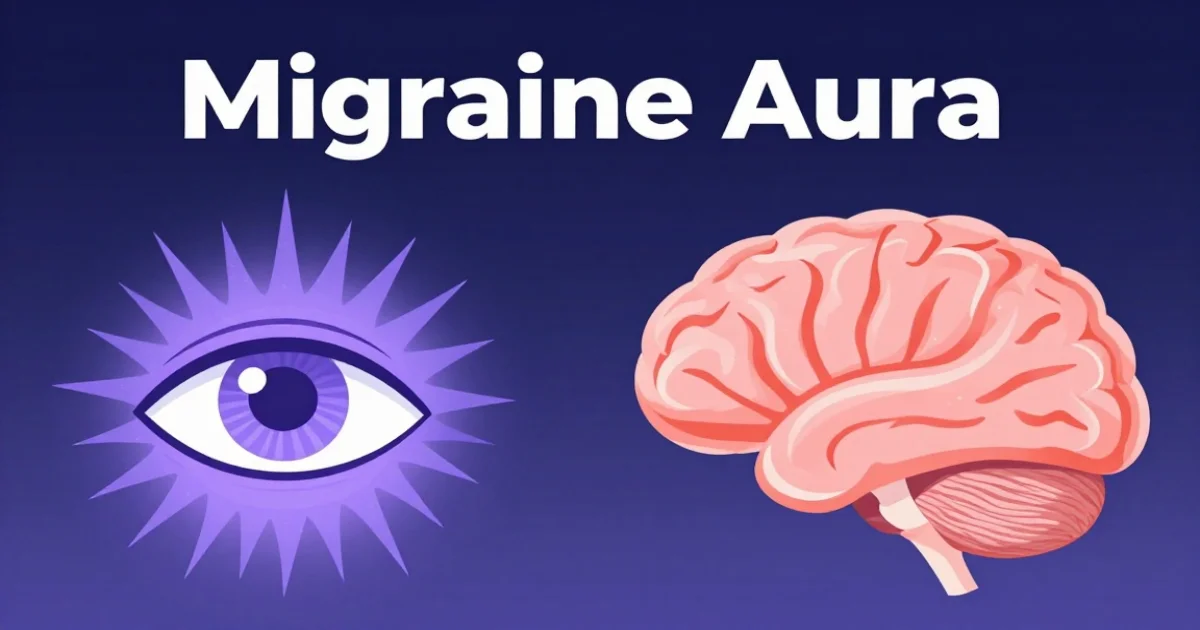
A shimmering shape in your vision or tingling that moves across a hand can be unsettling, especially the first time it happens. Migraine aura is a group of temporary neurological symptoms that can occur before, during, or without migraine headache. The International Headache Society describes aura as usually developing gradually and being fully reversible. New or sudden neurological symptoms need medical assessment; do not assume they are aura because you already have migraine.
What symptoms can migraine aura cause?
Aura can cause temporary changes in vision, sensation, or speech and language. Visual symptoms are the most common, according to the American Migraine Foundation's aura guide.
| Symptom group | Examples a person might describe |
|---|---|
| Visual | A flickering zigzag, flashing spots, or an area of missing vision |
| Sensory | Tingling that moves along a hand or arm, sometimes followed by numbness |
| Speech or language | Trouble finding words or expressing what you want to say |
These descriptions are examples, not a diagnostic test. The ICHD-3 definition of typical aura covers reversible visual, sensory, and language symptoms without motor weakness, brainstem, or retinal symptoms.
Other migraine-with-aura subtypes exist, but they should be assessed by a clinician. In particular, new weakness or vision loss should not be dismissed as a rare migraine subtype. If you think a visual change affected only one eye, report that detail; Mayo Clinic cautions that one-eye vision loss can have causes other than retinal migraine.
How long does aura last, and when does headache begin?
Each individual typical aura symptom usually lasts 5–60 minutes, while a sequence of different symptoms can extend the total episode. Aura often precedes headache, but it can begin during headache or occur without one.
The ICHD-3 aura criteria explain this timing distinction. For example, the duration of a visual symptom and a later sensory symptom should be recorded separately rather than merged into one number.
This is a description of a recognized pattern, not permission to wait out concerning symptoms. Seek prompt medical assessment for a symptom that lasts longer than usual or does not fully resolve. If symptoms are sudden or suggest stroke, seek emergency care immediately rather than waiting to see whether they fit a 60-minute window.
Your clinician may ask about the full attack timeline as well as aura. Our guide to migraine duration gives context for that discussion, without replacing an individual assessment.
Can aura occur without a headache?
Yes. Typical aura without headache is a recognized diagnosis, but similar symptoms can come from other conditions. Absence of head pain does not make a new neurological episode safe to ignore.
The International Headache Society's guidance on aura without headache notes that this distinction can require investigation, especially for a first episode after age 40, unusual duration, or symptoms involving loss of function.
People sometimes use “silent migraine” to describe aura without headache. The term is useful in conversation, but it does not diagnose unexplained dizziness, fatigue, or difficulty concentrating. Describe the symptom itself to your clinician. If you already have an established diagnosis, our silent migraine triggers guide offers related background.
How is aura different from other migraine symptoms?
Aura is a particular neurological symptom pattern. Tiredness, yawning, cravings, neck stiffness, and general difficulty concentrating can also occur around an attack, but they do not automatically constitute aura.
The Migraine Trust's prodrome guide describes the early warning phase that may come before headache. The distinction is useful because “I felt tired all morning” and “a zigzag shape spread across my vision” describe different experiences.
Similarly, being uncomfortable in bright light is different from seeing a new visual pattern. Our guide to migraine-related light sensitivity explains that symptom separately. If several symptoms overlap, record them individually rather than choosing one label for the whole episode.
What may cause migraine aura?
Aura is thought to involve a spreading wave of changes in electrical and chemical activity in the brain, often called cortical spreading depression. The affected area helps explain whether symptoms involve vision, sensation, or language, according to Mayo Clinic's explanation of aura.
Knowing the proposed mechanism does not let you identify an episode at home. A visual or sensory change still needs to be interpreted in the context of your history, examination, and any investigations your clinician considers necessary.
Can you distinguish aura from stroke yourself?
No. Symptoms can overlap, and gradual development or a history of migraine does not safely rule out stroke. A clinician must assess a first, sudden, or substantially different neurological episode.
Seek emergency care for sudden weakness or facial drooping, trouble speaking, new vision loss, confusion, or a sudden extremely severe headache. The NHS migraine guidance lists neurological symptoms and sudden severe headache among emergency warning signs. Do not drive yourself to emergency care.
For a previously assessed, familiar aura pattern, follow the plan agreed with your clinician. Contact them promptly if the episode changes or symptoms persist; the American Migraine Foundation advises medical attention for immediate-onset, prolonged, or unresolved aura symptoms.
Migraine with aura is associated with increased stroke risk, although absolute risk is small for many people. The American Migraine Foundation recommends discussing personal risk factors with a clinician. That discussion can include smoking, blood pressure, and contraception. Do not make medication or contraception changes from a blog article.
How is migraine with aura diagnosed?
Diagnosis relies on the symptom history and clinical assessment, with investigations when needed to consider another cause. Timing, progression, reversibility, and the relationship to headache all help the clinician understand the pattern.
A diagnosis is not made simply because you experienced one symptom from a list. The clinician considers the overall pattern and alternatives. Explain what happened in your own words, including which parts you are uncertain about.
Useful questions for a visit include: “Does this fit my existing migraine diagnosis?” “Which changes should lead me to seek urgent care?” and “What details would help you assess another episode?” Our migraine appointment guide offers a practical way to prepare those questions.
What should you record after an episode?
Record the start and end of each symptom and how it changed, if doing so is safe and comfortable. Care comes first when symptoms are new or concerning.
A useful note can include:
- Onset: Did the change appear all at once or develop over several minutes?
- Description: What did you see or feel, and where was it?
- Sequence: Did one symptom stop before another began, or did they overlap?
- Resolution: Did each symptom completely disappear, and when?
- Headache: Was there head pain before, during, afterward, or none?
- Context: What was different about this episode compared with previous assessed episodes?
A simple sketch may communicate a visual experience better than a long paragraph. Mark uncertain times as estimates and avoid filling in details you do not remember. These are practical ways to make the account readable, rather than a scoring system that confirms a diagnosis.
Our migraine journal guide provides a broader record for attacks. Calma can help you keep dated observations organized, but an app should not be used to decide whether a new neurological symptom is safe.
What can you do once aura has been assessed?
Work with your clinician on a plan for familiar episodes, prevention, and changes that need reassessment. Regular sleep and meals are among the self-care measures discussed by Mayo Clinic for migraine with aura.
Ask what to do when symptoms interfere with reading, working, or travel, and keep that plan somewhere easy to find. A care plan should address the disruption aura causes without requiring you to eliminate every possible trigger. Medication decisions and individualized safety advice belong with your healthcare professional.
Download on the App StoreFrequently Asked Questions
What does migraine aura feel like?
Aura can involve temporary zigzag lines, flashing shapes, blind spots, spreading tingling, numbness, or language difficulty. Typical symptoms often develop gradually and fully resolve. New or sudden neurological symptoms need medical assessment rather than self-diagnosis.
How long does migraine aura last?
For typical aura, each individual symptom usually lasts 5 to 60 minutes. If different symptoms occur in sequence, the entire episode can last longer. A symptom that is prolonged, does not resolve, or differs from your usual pattern needs prompt medical assessment.
Can migraine aura happen without a headache?
Yes. Typical aura without headache is a recognized migraine subtype. Because similar symptoms can have other causes, a clinician should assess a first episode, an unusual pattern, or aura occurring for the first time later in life.
How can I tell migraine aura from a stroke?
You cannot safely rule out stroke by comparing symptoms with an online checklist. Sudden weakness, facial drooping, trouble speaking, or vision loss require emergency care, including in someone who has previously been diagnosed with migraine.
What should I record after an aura episode?
If it is safe to do so, note the start and end of each symptom, whether it developed suddenly or gradually, and when headache began. Describe visual, sensory, or language changes in your own words. Seek care before recording details when symptoms are new, sudden, or concerning.
Sources
-
Mayo Clinic. Migraine with aura: Diagnosis and treatment.
-
International Headache Society. ICHD-3: Migraine with aura.
-
International Headache Society. ICHD-3: Migraine with typical aura.
-
International Headache Society. ICHD-3: Typical aura without headache.
-
American Migraine Foundation. Understanding Migraine With Aura.
-
Mayo Clinic. Migraine with aura: Symptoms and causes.
-
The Migraine Trust. Prodrome: Spotting the first signs of a migraine attack.
-
American Migraine Foundation. Migraine and Stroke: Reducing Your Risk.
-
NHS. Migraine.
Related Articles

Migraine Postdrome: How Long the Migraine Hangover Lasts
Migraine postdrome usually eases within a day or two. Learn the common symptoms, why weeks of lingering symptoms need review, and when to get medical help.
Chronic Migraine: Criteria, Symptoms, and Tracking
Understand chronic migraine criteria, count headache days and migraine features accurately, and prepare a useful diary for a conversation with your clinician.
What Triggers a Silent Migraine? Causes and Management
Discover silent migraine triggers, how they differ from regular migraines, and natural management strategies to reduce attacks. Start tracking with Calma today.