Migraine Brain Fog: What It Is and How to Manage It
Migraine brain fog affects many sufferers and can outlast head pain by 24–48 hours. Learn what causes it, symptoms to watch for, and how to manage it naturally.
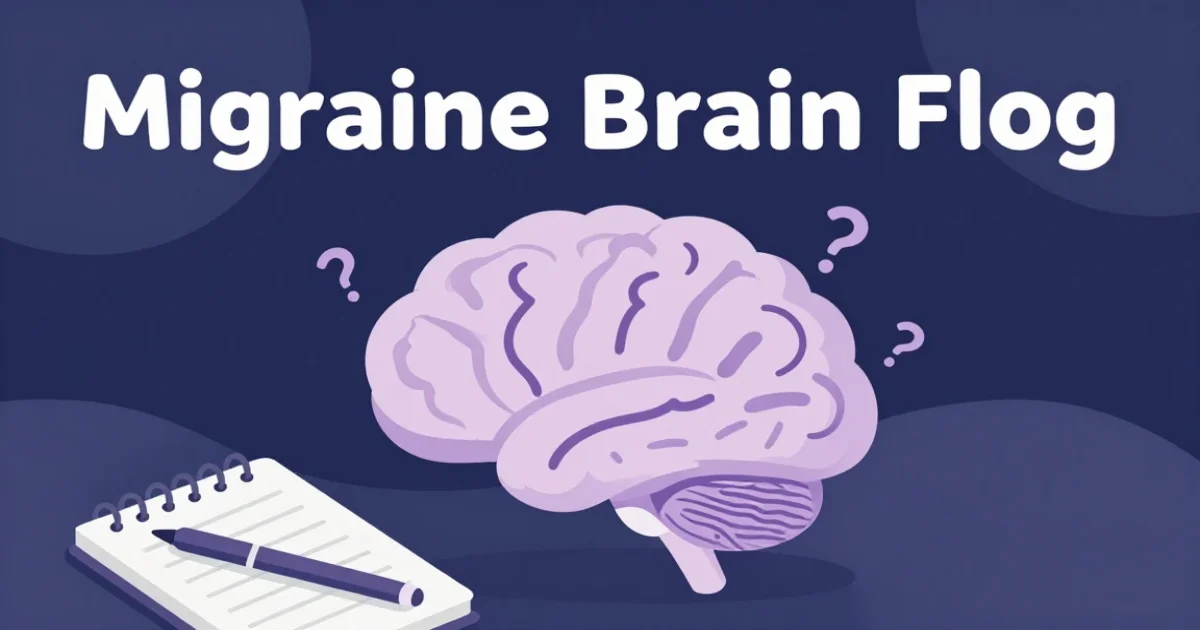
If you've ever searched for a word that simply wouldn't come, or felt like your thinking was wrapped in cotton wool long after the head pain faded, you know how disorienting this gets. Migraine brain fog is one of the most frustrating symptoms of the condition. It's also one of the least talked about. Many people with migraine experience some form of cognitive disruption during or after an episode, yet it rarely gets the same attention as the pain itself. That gap in understanding leaves a lot of people feeling confused, embarrassed, and alone in an experience that is entirely neurological.
What Is Migraine Brain Fog and Who Does It Affect?
The American Migraine Foundation recognizes cognitive dysfunction as a legitimate, common feature of migraine attacks, affecting the majority of people who experience this neurological disorder. Migraine brain fog refers to a cluster of cognitive symptoms that can appear before, during, or after an episode: difficulty concentrating, mental fatigue, memory lapses, word-finding difficulty, confusion, and a general sense of mental slowness.
It's not a diagnosis on its own. It's a symptom set. Neuroimaging research has shown that these attacks involve changes in brain activity across multiple regions, including those responsible for cognition, sensory processing, and sustained attention. That neurological basis is important. It explains why simply trying harder to focus doesn't help. The brain isn't underperforming because you're not trying. It's operating differently because of what the condition is doing to it.
Citation capsule: The American Migraine Foundation recognizes cognitive dysfunction as a legitimate, common feature of migraine, affecting the majority of sufferers. Migraine brain fog — difficulty concentrating, memory lapses, and word-finding difficulty — is neurologically driven, not a personal failing. Neuroimaging shows these attacks alter brain activity across regions responsible for cognition, sustained attention, and sensory processing.
Why Does Migraine Cause Cognitive Cloudiness and Brain Fog?
This neurological disorder moves through phases: the prodrome (warning signs), the aura if present, the headache phase, and the postdrome recovery. Mental haze can appear in any of these phases. It's most common in the prodrome and postdrome stages, which means it bookends the pain on both sides.
During an episode, inflammatory substances and neurotransmitters circulate in ways that directly impair cognitive function. Cortical spreading depression, a wave of electrical activity moving across the brain's surface during migraine with aura, disrupts normal neural communication and contributes to confusion and slowed information processing. The National Institutes of Health classifies migraine as a neurological disorder involving recurrent attacks that alter brain function temporarily, and those alterations extend well beyond pain.
There's a bandwidth problem too. When your brain is managing light sensitivity, sound intolerance, and nausea all at once, very little is left over for memory retrieval, decision-making, or focused attention. Many people find their worst days aren't the ones with the most severe head pain. They're the days when the mental fog made even simple conversations feel impossible.
Who Is Most Affected by Migraine Brain Fog?
Anyone with migraine can experience concentration difficulties, but some groups report them more frequently. People with chronic migraine, defined as 15 or more headache days per month, often describe near-constant cognitive cloudiness even between attacks. Women experiencing hormonal episodes, particularly during perimenopause, frequently report worsened mental haze alongside other symptoms.
People whose work demands sharp cognitive performance are often hit hardest. Healthcare professionals, pilots, lawyers, programmers, students. The condition directly undermines the very skills their roles require. The World Health Organization ranks migraine among the top causes of disability globally, and cognitive symptoms contribute substantially to that disability burden, even though they don't show up on routine medical assessments.
Among Calma users who log their cognitive symptoms alongside head pain, postdrome cognition issues are consistently rated as more disruptive to daily work than the headache phase itself. The fog lingers when the pain has already gone, which catches people off guard repeatedly.
How Is Migraine Brain Fog Different From Ordinary Fatigue?
| Feature | Migraine Brain Fog | Ordinary Fatigue |
|---|---|---|
| Cause | Neurological — cortical spreading depression, CGRP, serotonin shifts | Sleep deprivation, illness, stress |
| Improves with rest? | Not always — worst during postdrome despite pain resolving | Yes, typically resolves with sleep |
| Word-finding difficulty | Common — specific neurological symptom | Rare |
| Correlation with attack | Direct — tied to prodrome, aura, headache, postdrome phases | None |
| Timing | Can peak after head pain resolves | During or after exertion/illness |
| Duration | Hours to 48 hours post-attack | Resolves with adequate rest |
Everyone has foggy days. Poor sleep, illness, or stress can all blur your thinking temporarily. What separates migraine-related cognitive cloudiness from ordinary tiredness is its direct correlation with an episode, its specific character, and its particular impact on language and processing speed.
During an episode, people commonly report:
- Word-finding difficulty: The word is there somewhere. You just can't reach it.
- Name amnesia: Forgetting familiar people, places, or objects mid-sentence
- Short-term memory gaps: Losing track of a conversation or task while it's still happening
- Slowed processing: Taking far longer to read, respond, or decide
- Disorientation: Feeling unsure of where you are or what you were just doing
Ordinary fatigue improves with rest. This neurological mental fog is tied to the migraine process itself and can persist even when you're well-rested, especially during the postdrome phase following a severe attack. That's the detail that most people miss: the fog can be at its thickest precisely when you expected to feel better.
Citation capsule: Migraine brain fog differs from ordinary fatigue in its direct correlation with attack phases and its specific impact on language processing. Word-finding difficulty, name amnesia, slowed processing, and disorientation are characteristic — and they can peak during the postdrome phase after pain has resolved. This is a neurological symptom, not a motivation or performance problem, according to the National Institutes of Health.
What Natural Strategies Help Manage Migraine Brain Fog?
Medication decisions belong with your neurologist. But several lifestyle-based approaches have meaningful evidence behind them for reducing the frequency and severity of cognitive cloudiness.
Maintain Consistent Sleep
Sleep disruption is both a common trigger and a direct contributor to mental fog. Irregular schedules, varying bedtimes, or sleeping in on weekends can all precipitate attacks and worsen concentration difficulties afterward. Aim for 7-9 hours of consistent, quality sleep. Keep your wake time regular, even on weekends.
A relaxing pre-sleep routine helps too. Dim lighting, reduced screen time, a cool bedroom. Many people find their cognitive symptoms improve noticeably within a few weeks of establishing consistent sleep patterns. It's one of the highest-leverage changes you can make.
Stay Hydrated
Dehydration is a well-documented migraine trigger and a direct contributor to mental fatigue. Even mild dehydration, below the threshold of thirst, can impair concentration and slow reaction time. The Mayo Clinic recommends adequate daily fluid intake as part of a healthy lifestyle. For people managing this neurological disorder, consistent hydration may reduce both attack frequency and the severity of cognitive cloudiness.
Carry a water bottle. Set hourly reminders if you need them. Monitor urine color: pale yellow is the target.
Eat Regular, Balanced Meals
Skipped meals cause blood glucose fluctuations that can trigger episodes and worsen mental haze. Low blood glucose directly impairs cognitive function because the brain runs on glucose. Eating every 3-4 hours, with a focus on protein, complex carbohydrates, and healthy fats, helps maintain stable energy and reduces the likelihood of both attacks and cognitive lapses.
Some people find specific foods contribute to their mental fog. If you suspect dietary factors, tracking your migraines can surface patterns between what you eat and when concentration difficulties appear.
Practice Stress Reduction
Stress is the most commonly reported trigger for these attacks, and its cognitive effects compound mental haze directly. Chronic stress elevates cortisol, which at sustained high levels impairs memory retrieval and executive function. Regular stress management practices, not just during attacks but as a daily habit, reduce overall migraine burden over time.
Approaches with real evidence behind them:
- Mindfulness meditation: Even 10 minutes daily has been shown to reduce attack frequency and improve cognitive resilience
- Gentle movement: Yoga, walking, and swimming promote circulation and reduce muscular tension without triggering exertional episodes
- Deep breathing: Activating the parasympathetic nervous system reduces stress chemistry quickly
- Progressive muscle relaxation: Particularly useful before bed for improving sleep quality
Manage Sensory Input During an Episode
Your brain is already overloaded during an attack. It's processing reduced sensory tolerance: light hurts, sounds irritate, smells intensify. Piling more sensory input on top of that worsens the cognitive cloudiness and extends it. Creating a low-stimulation environment, a dark room with no screens and minimal noise, reduces the cognitive load and can shorten the mental fog phase.
Sunglasses indoors during light-sensitive episodes. Noise-canceling headphones in loud environments. Avoiding strong cleaning products or perfumes when you're in a vulnerable window. These cost nothing and require no prescription.
Build Cognitive Reserve
Just as physical fitness provides a buffer against physical stress, building cognitive reserve during well periods can reduce the functional impact of mental haze when it does arrive. Puzzles, learning a new language, reading, memory games: these aren't guaranteed to shorten an episode, but people with higher baseline cognitive engagement tend to report less profound disruption during their postdrome cognition issues. The research on cognitive reserve in neurological conditions supports this pattern, even if migraine-specific studies remain limited.
Track Patterns to Identify Triggers
The single most effective step most people can take is maintaining a detailed record of their episodes. Tracking when mental haze occurs, what preceded it, how long it lasted, and what helped turns invisible patterns into concrete, actionable information. The American Headache Society recommends tracking as a standard part of migraine care, and the evidence for its clinical value is strong.
Patterns that emerge from consistent tracking may reveal specific triggers for your concentration difficulties: certain foods, hormonal fluctuations, weather changes, sleep irregularities. Identifying those triggers lets you make targeted changes rather than guessing. If you're new to tracking, the guide to common migraine triggers is a useful starting point.
Among Calma users who tracked cognitive symptoms consistently over time, those who logged postdrome symptoms separately from headache symptoms were often better able to identify secondary trigger patterns for their mental haze, such as caffeine rebound or sleep debt, that had not shown up in their headache tracking alone.
How Does Brain Fog Change Across Migraine Phases?
Knowing which phase you're in changes how you respond. Each phase has distinct characteristics.
Prodrome: The warning phase arrives hours to days before head pain. It often includes mental haze, mood changes, food cravings, and neck stiffness. Recognizing prodrome signals gives you time to adjust your environment, communicate with your employer, or take early action before the attack peaks. Many people who use how to stop a migraine early strategies find that catching the prodrome is the key.
Aura: Some people experience sensory disturbances, visual changes, tingling, or speech difficulties, before the headache phase. These symptoms reflect cortical spreading depression and carry their own cognitive effects: confusion, difficulty processing information, word-finding difficulty. Vestibular migraine can include these cognitive aura symptoms without significant head pain.
Headache: The pain phase often brings the most severe cognitive cloudiness. The brain is managing pain signals, sensory sensitivity, and sometimes nausea simultaneously. Cognitive tasks become very difficult during this phase, and that's normal. It's not weakness. It's neurology.
Postdrome: The recovery phase after head pain fades can leave lingering mental fog that persists for hours or days. Most people describe it as feeling "hungover." Fatigue, poor concentration, and low mood are common. Understanding that postdrome cognition issues are a recognized, normal part of the migraine process can reduce the anxiety that often accompanies them.
How Does Migraine Brain Fog Affect Mental Health?
Living with repeated episodes of cognitive cloudiness takes a real psychological toll. The inability to think clearly, find words, or follow a conversation during attacks often leads to frustration, anxiety, and diminished confidence. Over time, this can contribute to depression, especially for people whose sense of identity is closely tied to their intellectual abilities.
Research shows people with chronic migraine experience higher rates of anxiety and depression than the general population. The cognitive symptoms, including concentration difficulties and word-finding difficulty, worsen these mental health challenges by creating a sense of lost control. Addressing the condition holistically, including mental health support when needed, matters.
Build a support network. Community helps: friends, family, or an online migraine group. And remind yourself, as often as necessary, that mental haze is a neurological symptom. Not a personal failing.
When Should You See a Neurologist for Migraine Brain Fog?
Lifestyle approaches can meaningfully reduce cognitive cloudiness. They are not, however, a substitute for professional medical evaluation. See a neurologist if:
- Mental fog is severely interfering with your ability to work, drive, or care for yourself
- Cognitive symptoms are worsening over time or occurring outside of attacks
- You're experiencing new neurological symptoms: vision changes, weakness, or difficulty speaking
- Home remedies and lifestyle changes aren't providing meaningful relief
A neurologist can evaluate whether additional treatments, including preventive approaches, are appropriate for your situation. This is a medical condition, and its management sometimes requires more than lifestyle adjustments alone.
How Do You Build a Long-Term Brain Fog Management Plan?
Managing the cognitive impact of these attacks effectively requires a systematic approach. A solid plan includes:
- Consistent tracking: Record every attack, symptom, and potential trigger using a diary or app
- Trigger identification: Use your data to find patterns and reduce exposure to avoidable triggers
- Lifestyle foundation: Sleep, hydration, nutrition, and stress management as daily non-negotiables
- Medical support: Work with a neurologist to explore appropriate options for your situation
- Mental health care: Address the psychological weight of chronic episodes, including anxiety and depression
Calma is built to support this approach, with automated tracking, pattern detection, and shareable reports you can bring to your healthcare provider. Consistent use builds a picture of your experience that memory alone simply can't match.
Download on the App StoreFrequently Asked Questions
What is migraine brain fog?
Migraine brain fog is a collection of cognitive symptoms, including difficulty concentrating, memory lapses, confusion, and word-finding difficulty, that occur during or around migraine attacks. It is a recognized part of the migraine process, not a separate condition.
How long does migraine brain fog last?
Cognitive cloudiness can last anywhere from a few hours to several days, depending on the individual and the severity of the episode. For some people, concentration difficulties persist for 24-48 hours after head pain resolves, during what's called the postdrome phase.
Can brain fog occur without a headache?
Yes. Many people experience migraine-related cognitive symptoms, including mental haze, word-finding difficulties, and memory problems, without significant head pain. Vestibular migraine and migraine with aura variants can both present this way, and they can be just as disabling as attacks with head pain.
What natural approaches help with migraine brain fog?
Staying hydrated, maintaining consistent sleep schedules, reducing stress through mindfulness or gentle exercise, and keeping a detailed diary to identify triggers are all evidence-backed approaches. Consult a neurologist if mental fog is severe or significantly interfering with daily life.
Does stress make migraine brain fog worse?
Yes. Stress is one of the most common triggers for both attacks and their cognitive aftermath. Chronic stress elevates cortisol, which impairs memory retrieval and executive function, compounding the mental haze that the migraine process itself produces.
Sources
Related Articles
What Is Migraine Aura? Symptoms, Types, and What to Do
Migraine aura affects 25-30% of people with migraine. Learn what aura symptoms feel like, the types, why they happen, and when to seek medical advice.
Migraine and Nausea: Why It Happens and How to Cope
Nausea affects many migraine sufferers. Learn why it happens, evidence-based coping strategies, and how tracking your symptoms leads to better relief.
What Triggers a Silent Migraine? Causes and Management
Discover silent migraine triggers, how they differ from regular migraines, and natural management strategies to reduce attacks. Start tracking with Calma today.